
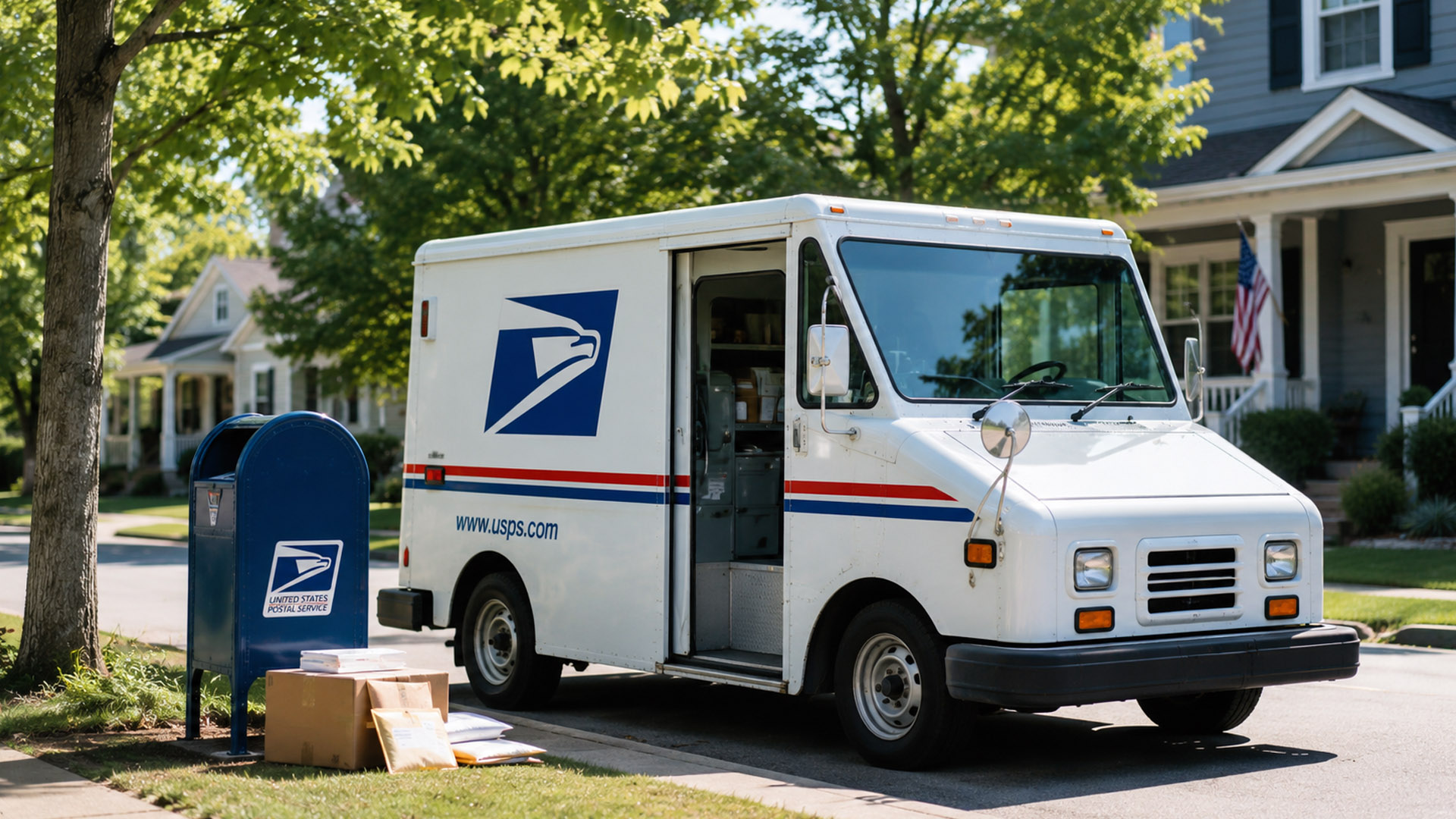
USPS plans to add a fuel surcharge to domestic packages starting in January 2027 that will change every week with the price of diesel and jet fuel, effectively a permanent version of the temporary 8% surcharge from April, which expires January 17.
USPS will announce each week’s rate only three to five days before it takes effect, and packages mailed with an outdated surcharge will owe postage due. Will they get a refund if the outdated surcharge they paid was higher than when the package shipped? USPS didn’t say.
The agency hasn’t disclosed the starting percentages, the formulas, or whether weekly swings will be capped, which leaves sellers who offer free shipping or a flat rate guessing what to charge before they know the postage.
In comparison to other major couriers:
- UPS – Adjusts its fuel surcharge every Monday based on the EIA’s diesel and jet fuel prices from the week before, so shippers get roughly a week’s notice. There’s no cap, and UPS says the percentages can change without prior notice.
- FedEx – Works almost identically to UPS, with weekly changes based on the same EIA indexes, a roughly one-week lag, and no cap.
- DHL Express – Adjusts monthly instead of weekly, using a two-month lag (January’s average jet fuel price sets March’s surcharge), so shippers know the rate weeks in advance. There’s no cap, and DHL can change it without notice.
- The big difference – UPS, FedEx, and DHL add the surcharge to the invoice after a package ships, so there’s no option to ship with the “wrong” surcharge. USPS postage is prepaid, which is why an outdated weekly rate could leave packages with postage due.
Here’s an app / feature idea for you: Build a tool that automatically adjusts a merchant’s free or flat-rate shipping tier based on the current surcharge of their couriers. So today the website might display “Flat Rate $9.99 / Free Shipping $59+”, whereas next week it could show “Flat Rate $11.99 / Free Shipping $65+”. Obviously more factors go into choosing a free or flat-rate tier other than just shipping cost, but a dynamic price could help ease the cost of the surcharge, without manual changes from the merchant each week.
What will probably happen, because it’s the easiest solution, is that merchants with flat rate or free shipping will simply increase their shipping charges to a level that more than accounts for the worst-case surcharge swings, so that they don’t have to deal with it each week. It’s understandable, but shoppers will be left to foot the bill.
This is a bad move for USPS. Above anything else, business owners depend on consistency and predictability. USPS used to raise prices just once or twice a year. Now it’s price changes are becoming something that merchants have to constantly monitor, especially merchants with thin margins. It also feels like a sneaky way around the Postal Regulatory Commission’s rule that USPS give at least 30 days’ notice before changing package prices.
On October 28, Value Added Resource reported that USPS had pulled its Fuel Surcharge Implementation FAQ from PostalPro without explanation, just two days after publishing it. It’s not yet clear whether USPS is backpedaling on the plan, revising it, or just doing some FAQ housekeeping. I’ll keep you posted.
In other USPS news this week… The postal service announced it will now bill US merchants for unpaid foreign customs charges on their international shipments, under an interim final rule that took effect October 19. The shipper owes the charge once a foreign customs agency or postal operator reports it, even if the parcel was lost, damaged, or sent back. And merchants must pay in full, plus 6% annual interest once overdue, even while disputing the bill, since USPS won’t verify foreign charges and leaves merchants to fight them with whoever assessed them. A merchant who refunds an order after a buyer refuses delivery over a surprise customs fee can also still be billed for that fee. Merchants can avoid some of that exposure by prepaying duties, taxes, and fees through USPS’s free Delivered Duty Paid service, which covers eligible shipments to 18 countries.